Top 20 Dental Hygienist Interview Questions & Answers in 2026
Landing a dental hygienist role in 2026 requires more than clinical expertise—it demands preparation for behavioral, technical, and situational questions that reflect the latest industry trends. Whether you’re a new graduate or an experienced professional, mastering these 20 common and tough interview questions will set you apart. Below, you’ll find why each question is asked, a strong sample answer, and what to avoid saying. Use these insights to ace your next interview and secure your dream job.
Photo by Cedric Fauntleroy on Pexels
## 1. Why did you choose to become a dental hygienist?
Why the interviewer asks this: To assess your passion for the field and long-term commitment.
Sample answer: “I chose dental hygiene because I’m passionate about preventive care and building relationships with patients. Seeing the positive impact of education on oral health motivates me daily, and I thrive in a collaborative environment where I can support dentists and patients alike.”
What to avoid saying: Avoid vague answers like “I just needed a job” or “It pays well.” Focus on genuine interest in patient care.
## 2. How do you stay updated on the latest dental hygiene practices?
Why the interviewer asks this: To evaluate your commitment to continuing education and adaptability.
Sample answer: “I subscribe to the *Journal of Dental Hygiene*, attend annual conferences like the ADHA Annual Session, and complete online courses on emerging technologies like laser therapy. I also participate in local study groups to share best practices.”
What to avoid saying: Don’t say “I don’t have time” or “I rely on what I learned in school.” Employers value proactive learners.
## 3. Describe a time you handled a difficult patient.
Why the interviewer asks this: To gauge your interpersonal skills and conflict resolution abilities.
Sample answer: “A patient with severe dental anxiety refused treatment. I calmly explained each step, offered breaks, and used a gentle approach. By building trust, we completed the cleaning, and the patient scheduled a follow-up. This taught me patience and empathy.”
What to avoid saying: Avoid blaming the patient or saying “I just ignored them.” Show empathy and professionalism.
## 4. How do you prioritize tasks during a busy day?
Why the interviewer asks this: To assess time management and efficiency in a fast-paced environment.
Sample answer: “I start by reviewing the schedule for high-risk patients or those needing complex procedures. I batch similar tasks, like instrument sterilization, and communicate with the dentist to adjust priorities as needed. This keeps the workflow smooth.”
What to avoid saying: Avoid “I just do whatever comes first” or “I get overwhelmed.” Demonstrate structure.
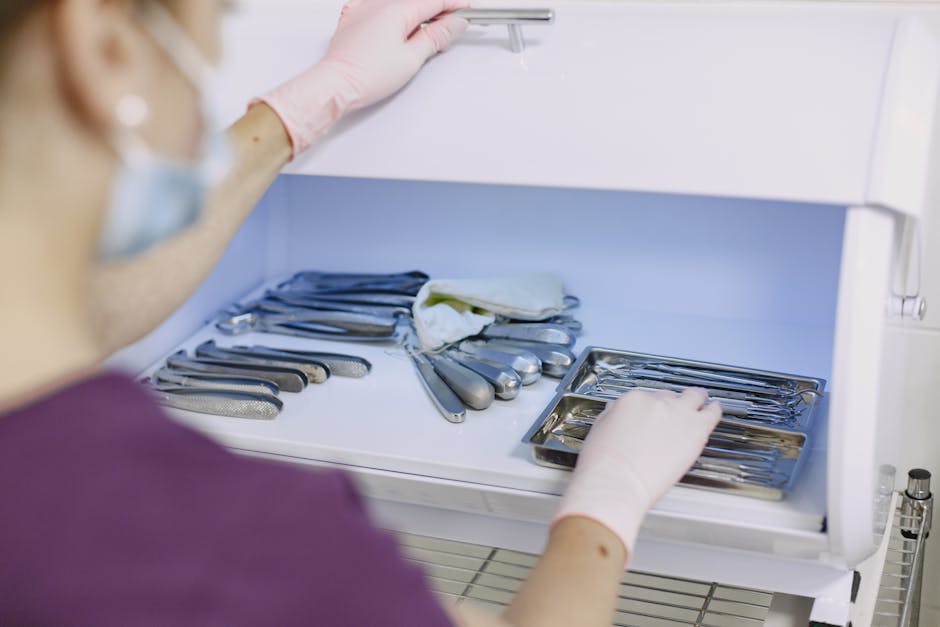
Photo by Gustavo Fring on Pexels
## 5. What is your experience with digital radiography and intraoral cameras?
Why the interviewer asks this: To test your technical proficiency with modern diagnostic tools.
Sample answer: “I’m proficient with digital radiography systems like Dexis and use intraoral cameras to educate patients on plaque buildup. I ensure minimal radiation exposure and follow ALARA principles. I also troubleshoot common software issues.”
What to avoid saying: Avoid “I only used film X-rays” or “I don’t like technology.” Show willingness to learn.
## 6. How do you educate patients on oral hygiene?
Why the interviewer asks this: To evaluate your communication and patient education skills.
Sample answer: “I use a personalized approach—showing plaque disclosing tablets, demonstrating brushing techniques on models, and explaining the link between oral health and systemic conditions like diabetes. I also provide written take-home guides.”
What to avoid saying: Avoid “I just tell them to brush better.” Tailor education to each patient’s needs.
## 7. Describe a time you identified a potential oral health issue before the dentist.
Why the interviewer asks this: To assess your clinical observation and teamwork skills.
Sample answer: “During a routine cleaning, I noticed a suspicious lesion under the tongue. I documented it, alerted the dentist, and it turned out to be early-stage oral cancer. The patient received timely treatment and thanked our team.”
What to avoid saying: Avoid “I never see anything” or “I leave everything to the dentist.” Show proactive observation.
## 8. How do you handle a patient who refuses recommended treatment?
Why the interviewer asks this: To test your persuasion and ethical boundaries.
Sample answer: “I respect their autonomy but explain the risks of declining, using visuals like decay progression charts. I ask open-ended questions to understand their fears and offer alternatives, such as fluoride varnish instead of sealants.”
What to avoid saying: Avoid “I pressure them” or “I ignore their concerns.” Balance education with respect.
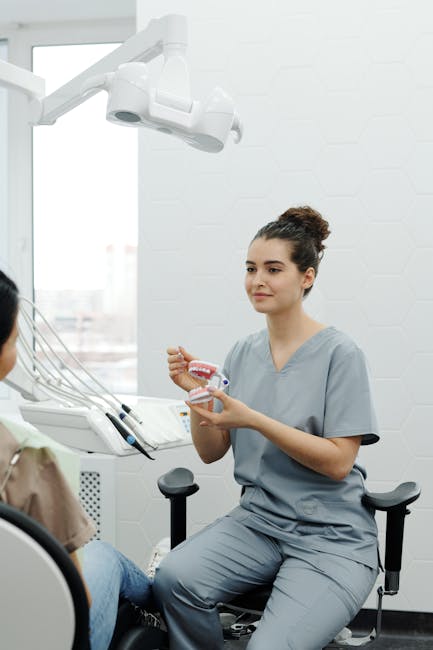
Photo by Cedric Fauntleroy on Pexels
## 9. What infection control protocols do you follow?
Why the interviewer asks this: To ensure compliance with OSHA and CDC standards.
Sample answer: “I strictly follow OSHA guidelines—wearing PPE, sterilizing instruments with autoclaves, disinfecting surfaces between patients, and using proper waste disposal. I also perform spore testing weekly to verify sterilization.”
What to avoid saying: Avoid “I just do what everyone else does.” Be specific about protocols.
## 10. How do you collaborate with dentists and other staff?
Why the interviewer asks this: To evaluate teamwork and communication in a clinical setting.
Sample answer: “I share patient updates during huddles, document findings clearly in the EHR, and ask for feedback on treatment plans. For example, I coordinate with the dentist on periodontal charting to ensure consistent care.”
What to avoid saying: Avoid “I work alone” or “I don’t need help.” Highlight collaboration.
## 11. What is your experience with periodontal therapy?
Why the interviewer asks this: To assess your clinical skills in managing gum disease.
Sample answer: “I perform scaling and root planing using ultrasonic and hand instruments, prescribe antimicrobial rinses as needed, and educate patients on maintenance. I also monitor pocket depths and adjust care plans based on re-evaluation.”
What to avoid saying: Avoid “I only do cleanings.” Show depth in periodontal care.
## 12. How do you manage time when a procedure takes longer than expected?
Why the interviewer asks this: To test adaptability and problem-solving under pressure.
Sample answer: “I communicate with the front desk to adjust the schedule and prioritize essential steps. For example, if a patient needs extra time for scaling, I ensure the next patient is informed without rushing current care.”
What to avoid saying: Avoid “I rush through it” or “I skip steps.” Prioritize quality over speed.
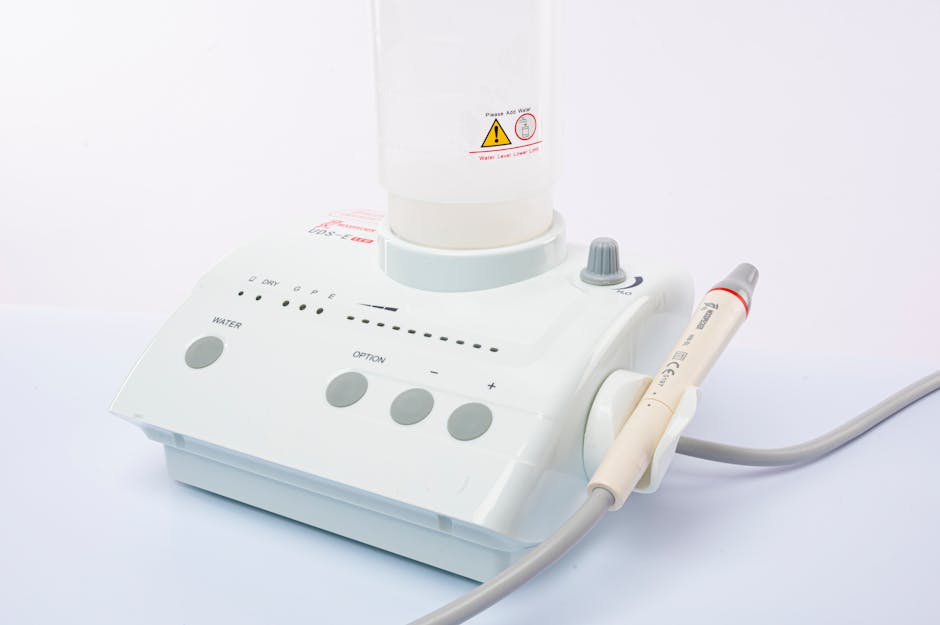
Photo by Đậu Photograph on Pexels
## 13. Describe a time you made a mistake. How did you handle it?
Why the interviewer asks this: To assess accountability and learning from errors.
Sample answer: “I once missed a small calculus deposit during a cleaning. When the patient returned, I apologized, corrected it, and implemented a double-check protocol for posterior teeth. The patient appreciated my honesty.”
What to avoid saying: Avoid “I never make mistakes” or “I blamed someone else.” Show humility.
## 14. How do you stay organized with patient records?
Why the interviewer asks this: To evaluate attention to detail and data management.
Sample answer: “I update EHRs in real-time, use templates for consistency, and double-check entries for accuracy. I also set reminders for follow-ups and recall appointments to ensure continuity of care.”
What to avoid saying: Avoid “I write everything down later.” Emphasize accuracy and timeliness.
## 15. What do you do if a patient has a medical emergency during treatment?
Why the interviewer asks this: To test your emergency response knowledge.
Sample answer: “I stay calm, assess the situation (e.g., syncope or allergic reaction), and follow the clinic’s emergency protocol. I’m certified in CPR and know the location of the emergency kit and oxygen. I also document the incident.”
What to avoid saying: Avoid “I panic” or “I don’t know.” Show preparedness.
## 16. How do you handle a patient with special needs?
Why the interviewer asks this: To evaluate your adaptability and empathy.
Sample answer: “I ask caregivers about triggers, adjust the environment (e.g., dim lights for sensory sensitivity), and use simple language. For patients with mobility issues, I position the chair carefully and take breaks as needed.”
What to avoid saying: Avoid “I treat everyone the same.” Tailor your approach.
Photo by Arda Kaykısız on Pexels
## 17. What is your experience with local anesthesia administration?
Why the interviewer asks this: To confirm your clinical competence and patient comfort skills.
Sample answer: “I’m licensed to administer local anesthesia and use techniques like slow injection and topical gel to minimize pain. I also explain the sensation to reduce anxiety and monitor for adverse reactions.”
What to avoid saying: Avoid “I’m not comfortable with needles.” Show confidence and skill.
## 18. How do you motivate patients to follow up on treatment?
Why the interviewer asks this: To assess your patient retention and follow-through skills.
Sample answer: “I explain the financial and health benefits of timely care, offer flexible scheduling, and send reminder texts. For example, I helped a patient with gum disease schedule a scaling series by breaking it into manageable visits.”
What to avoid saying: Avoid “I can’t force them.” Use positive reinforcement.
## 19. Describe a time you advocated for a patient’s oral health.
Why the interviewer asks this: To test your ethical commitment and patient advocacy.
Sample answer: “A patient with diabetes needed more frequent cleanings, but insurance only covered twice a year. I worked with the dentist to create a discounted maintenance plan and educated the patient on home care to prevent complications.”
What to avoid saying: Avoid “It’s not my job.” Show initiative.
## 20. Where do you see yourself in five years?
Why the interviewer asks this: To assess career goals and alignment with the clinic.
Sample answer: “I see myself as a lead hygienist mentoring new staff, possibly specializing in periodontics or public health. I also want to contribute to practice growth by implementing new patient education programs.”
What to avoid saying: Avoid “I don’t know” or “I’ll leave for a better job.” Show growth within the practice.
## Final Tips for Your Dental Hygienist Interview in 2026
- Research the practice: Understand their patient demographics, technology, and values.
- Bring a portfolio: Include certifications, CE certificates, and a resume.
- Practice your answers: Use the STAR method (Situation, Task, Action, Result) for behavioral questions.
- Dress professionally: Clean scrubs or business attire, with minimal jewelry.
- Ask smart questions: Inquire about team culture, continuing education support, and patient volume.

Photo by Andrea Piacquadio on Pexels
Ready to take the next step? Browse live Dental Hygienist openings on hireplan.online and find the perfect role for your skills. With the right preparation, you’ll be one step closer to a rewarding career in dental hygiene. Good luck!