Top 20 Event Coordinator Interview Questions & Answers in 2026
Landing a role as an Event Coordinator in 2026 requires more than just a polished resume. The hiring landscape has shifted, with employers now prioritizing adaptability, tech-savviness, and crisis management skills alongside traditional organizational abilities. Based on current industry trends—including hybrid events, sustainability demands, and AI-driven planning tools—these are the most common and toughest interview questions you’ll face this year.
Whether you’re a seasoned planner or breaking into the field, preparing thoughtful, honest answers is your ticket to standing out. Below, we break down 20 essential questions, explain why they’re asked, and provide sample answers you can adapt. Let’s dive in.
## 1. Tell Me About Yourself (Event Coordinator Version)
Why the interviewer asks this: They want a quick, relevant snapshot of your career path and why you’re a great fit for this specific role. Avoid your entire life story.
Sample answer: “I’m an event coordinator with over four years of experience planning corporate conferences and nonprofit galas. I specialize in managing budgets under $50K while delivering high-impact attendee experiences. Most recently, I led a hybrid conference that increased virtual attendance by 40% through targeted engagement strategies. I’m excited to bring that blend of creativity and data-driven planning to your team.”
What to avoid: Rambling about unrelated jobs or personal hobbies. Keep it professional and role-focused.
## 2. How Do You Handle Multiple Deadlines Simultaneously?
Why the interviewer asks this: Event coordination is a juggling act. They need to know you can prioritize without dropping the ball.
Sample answer: “I use a centralized project management tool like Asana to break each event into phases with hard deadlines. I also block out daily ‘focus hours’ for high-priority tasks and communicate early with vendors or team members if a timeline shifts. For example, during a three-event month, I created a color-coded master calendar and delegated setup tasks, which kept everything on track.”
What to avoid: Saying “I just work harder” or “I’ve never missed a deadline.” It sounds unrealistic. Show your system.
## 3. Describe a Time an Event Went Wrong and How You Fixed It
Why the interviewer asks this: They want to see problem-solving under pressure and accountability.
Sample answer: “At a charity gala, the caterer arrived two hours late due to traffic. I immediately contacted a backup vendor I’d vetted earlier, and within 45 minutes, we had a temporary appetizer station. Meanwhile, I adjusted the program schedule to extend the cocktail hour. Guests never noticed the delay, and the event raised 15% more than the previous year.”
What to avoid: Blaming others or saying “nothing ever goes wrong.” Show humility and a proactive fix.
## 4. What Event Management Software Are You Proficient In?
Why the interviewer asks this: Technical skills are non-negotiable in 2026. They want to know you can hit the ground running.
Sample answer: “I’m highly proficient in Cvent and Eventbrite for registration and ticketing, and I use Trello for task tracking. I also have experience with Slack for team communication and Zoom for hybrid event production. I’m always eager to learn new platforms—for example, I recently taught myself basic Canva for event signage.”
What to avoid: Listing software you’ve only heard of. Be honest about your expertise level.

Photo by Mikael Blomkvist on Pexels
## 5. How Do You Manage a Tight Budget Without Sacrificing Quality?
Why the interviewer asks this: Budget management is a core skill. They need to know you can stretch resources creatively.
Sample answer: “I start by prioritizing must-haves versus nice-to-haves. For a recent launch event, I negotiated bulk discounts with vendors and used digital invitations instead of printed ones. I also repurposed decor from a previous event, saving 20%. The result was a polished experience that stayed 10% under budget.”
What to avoid: Saying “I just cut costs everywhere.” That can hurt quality. Show strategic trade-offs.
## 6. How Do You Stay Updated on Event Industry Trends?
Why the interviewer asks this: They want a lifelong learner who brings fresh ideas.
Sample answer: “I subscribe to Event Manager Blog and attend webinars from PCMA. I also follow industry leaders on LinkedIn and participate in local event planning meetups. Recently, I incorporated sustainability trends by sourcing reusable signage, which impressed an eco-conscious client.”
What to avoid: “I don’t have time for that.” It signals stagnation.
## 7. Tell Me About a Time You Had to Negotiate with a Vendor
Why the interviewer asks this: Negotiation saves money and builds relationships. They want to see your diplomacy.
Sample answer: “A venue quoted me 15% above budget. I scheduled a call, thanked them for their proposal, and asked if they could match a competitor’s rate in exchange for a longer-term contract. They agreed, and we’ve since worked together on three events. It was a win-win.”
What to avoid: Being aggressive or saying “I always accept the first price.” Show finesse.
## 8. How Do You Handle Difficult Clients or Stakeholders?
Why the interviewer asks this: Client management is half the job. They need to see emotional intelligence.
Sample answer: “I listen actively first, then repeat their concerns to confirm understanding. For a client who kept changing the theme, I scheduled a weekly check-in to align on changes early. I also documented decisions in writing to avoid confusion. The event turned out beautifully, and they later referred me to a colleague.”
What to avoid: Complaining about difficult clients. Stay professional.
## 9. What’s Your Process for Creating an Event Timeline?
Why the interviewer asks this: Timelines are the backbone of event planning. They want to see structure.
Sample answer: “I work backward from the event date, using a Gantt chart to map out milestones. I include buffer time for vendor deliveries, rehearsals, and unexpected delays. For a 500-person conference, I had weekly check-ins with key stakeholders and a daily countdown checklist in the final week.”
What to avoid: Being vague like “I just write things down.” Show your system.
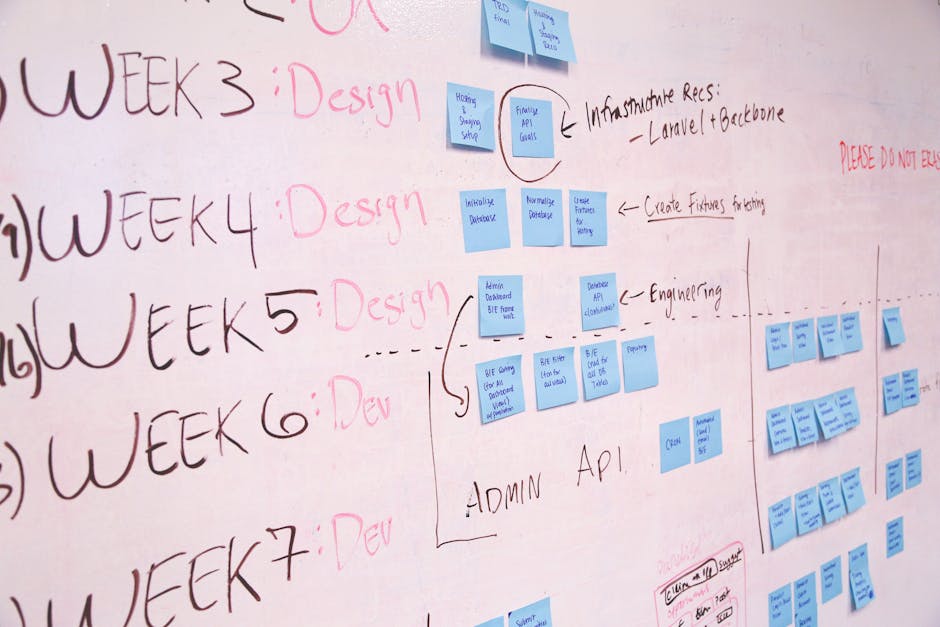
Photo by Startup Stock Photos on Pexels
## 10. How Do You Measure the Success of an Event?
Why the interviewer asks this: They want a data-driven coordinator who goes beyond “everyone had fun.”
Sample answer: “I track metrics like attendance rate, net promoter score (NPS), and budget adherence. For a recent product launch, I also measured social media engagement and post-event survey responses. I then create a report highlighting what worked and what to improve, which helps the team refine future events.”
What to avoid: Saying “I just ask if people liked it.” Be specific.
## 11. Describe Your Experience with Hybrid or Virtual Events
Why the interviewer asks this: Hybrid events are here to stay. They need to know you can manage both in-person and digital audiences.
Sample answer: “I’ve coordinated three hybrid conferences. I ensure equal engagement by using live polls for virtual attendees and dedicated chat moderators. I also test tech setups twice before the event. For one event, we had a virtual networking room, which boosted online participation by 30%.”
What to avoid: Admitting you have zero hybrid experience. If you lack it, mention related transferable skills.
## 12. How Do You Prioritize Attendee Safety?
Why the interviewer asks this: Safety is a top concern post-2020. They want a proactive planner.
Sample answer: “I always review venue emergency plans and have a first aid kit on site. For large events, I coordinate with security and have a clear communication chain for emergencies. I also include capacity limits and accessibility options in my planning checklist.”
What to avoid: Treating safety as an afterthought. It’s non-negotiable.
## 13. Walk Me Through How You Plan a Large-Scale Event from Scratch
Why the interviewer asks this: This tests your end-to-end planning ability.
Sample answer: “First, I define the event goals and budget with the client. Then I scout venues, negotiate contracts, and create a vendor list. Next, I build a detailed timeline and assign team roles. During execution, I lead daily briefings and monitor logistics. Post-event, I collect feedback and settle invoices.”
What to avoid: Skipping steps or being too general. Show a clear, logical flow.
## 14. How Do You Handle Last-Minute Changes?
Why the interviewer asks this: Events are unpredictable. They need a calm, flexible coordinator.
Sample answer: “I stay calm and assess the impact. For a speaker cancellation, I had a backup speaker on standby. I also communicate changes immediately to the team and adjust the schedule. Attendees never knew there was a change.”
What to avoid: Panicking or blaming others. Show composure.

Photo by Vitaly Gariev on Pexels
## 15. What’s Your Experience with Event Marketing or Promotion?
Why the interviewer asks this: Many coordinators also handle promotion. They want to see if you can drive attendance.
Sample answer: “I collaborate with marketing teams to create email campaigns and social media teasers. For a community fair, I used targeted Facebook ads and local influencer partnerships, which boosted ticket sales by 25%. I also track registration data to adjust messaging.”
What to avoid: Saying “That’s not my job.” It shows a narrow view.
## 16. How Do You Ensure Inclusivity at Events?
Why the interviewer asks this: Diversity and inclusion are critical. They want a coordinator who considers all attendees.
Sample answer: “I choose accessible venues with ramps and sign language interpreters if needed. I also offer dietary options and gender-neutral restrooms. For a recent panel, I ensured diverse speaker representation. Feedback showed attendees felt welcomed.”
What to avoid: Ignoring the question or giving a generic answer.
## 17. Tell Me About a Time You Led a Team During an Event
Why the interviewer asks this: Leadership is key for larger events. They want to see delegation and motivation.
Sample answer: “During a marathon, I led a team of 20 volunteers. I assigned clear roles, held a morning briefing, and had a walkie-talkie system for real-time updates. When a water station ran low, I redirected a volunteer from a less busy area. The event ran smoothly, and the team appreciated the structure.”
What to avoid: Saying “I do everything myself.” Show you can trust others.
## 18. How Do You Handle Stress During an Event?
Why the interviewer asks this: High-pressure situations are common. They want to see resilience.
Sample answer: “I focus on what I can control and take deep breaths. I also have a go-to playlist for quick mental reset. During a tech glitch, I delegated tasks to the team and calmly worked on a fix. Staying present helps me solve problems faster.”
What to avoid: Saying “I never get stressed.” It’s unrealistic. Show healthy coping.
## 19. What’s Your Experience with Sustainability in Events?
Why the interviewer asks this: Green practices are a growing priority. They want a coordinator who minimizes waste.
Sample answer: “I prioritize digital materials over printed ones and choose local vendors to reduce carbon footprint. For a recent gala, I used compostable tableware and donated leftover food. I also track waste metrics to improve future events.”
What to avoid: Ignoring sustainability or saying “It’s too expensive.” Show initiative.
## 20. Why Do You Want to Work for Our Company?
Why the interviewer asks this: They want to see genuine interest and research.
Sample answer: “I admire your company’s focus on innovative hybrid events and commitment to community impact. Your recent sustainability report aligns with my values. I’m excited to bring my budget management skills to a team that pushes creative boundaries.”
What to avoid: Generic answers like “I need a job.” Be specific about their work.

Photo by Pavel Danilyuk on Pexels
## Final Tips for Your Event Coordinator Interview in 2026
- Research the company’s recent events. Mention them in your answers to show you’ve done your homework.
- Prepare a portfolio with photos, timelines, and metrics from past events. Visual proof is powerful.
- Practice the STAR method (Situation, Task, Action, Result) for behavioral questions. It keeps answers structured.
- Ask thoughtful questions about their event tech stack, team structure, and sustainability goals. It shows you’re invested.
- Dress professionally but practically—event coordinators often need to move around. Comfortable shoes are a plus.
Remember, the best answers are honest, specific, and tailored to the role. Use the samples above as a starting point, then add your own experiences.
Ready to put these answers to the test? Browse live Event Coordinator openings on hireplan.online and apply today. Your next career move is just a click away.