Top 20 Financial Analyst Interview Questions & Answers in 2026
Landing a Financial Analyst role in 2026 requires more than just strong Excel skills. Employers are now looking for candidates who can interpret complex data, communicate insights clearly, and adapt to rapidly changing markets. Based on current industry trends—including the rise of AI-driven analytics, ESG reporting, and hybrid work models—we’ve compiled the 20 most common and toughest interview questions you’ll face this year. Each answer below is designed to help you stand out and secure that offer.
## 1. “Walk me through a DCF model.”
Why the interviewer asks this:
To test your fundamental valuation skills and whether you truly understand the mechanics, not just the formula.
Sample answer:
“I start by projecting free cash flows for 5–7 years, using historical data and industry growth rates. Then I calculate a terminal value using either the Gordon Growth Model or exit multiples. I discount both back to present value using WACC, which accounts for the cost of equity and debt. Finally, I compare the implied share price to the current market price to assess upside or downside.”
What to avoid saying:
Don’t just list steps—avoid “I put numbers in a spreadsheet.” Show you understand *why* each step matters.
## 2. “How would you forecast revenue for a new product line?”
Why the interviewer asks this:
They want to see your logical reasoning and ability to handle uncertainty.
Sample answer:
“I’d start with a bottom-up approach: estimate unit sales based on market size, target share, and pricing. Then I’d layer in a top-down sanity check using comparable product launches. I’d also build scenarios—base, optimistic, pessimistic—to capture risk. Finally, I’d track actuals vs. forecast monthly to refine assumptions.”
What to avoid saying:
Avoid “I’d just use last year’s growth rate.” That shows no creativity or critical thinking.
## 3. “Tell me about a time you made a mistake in a financial model.”
Why the interviewer asks this:
To evaluate your honesty, self-awareness, and problem-solving under pressure.
Sample answer:
“Early in my career, I accidentally linked a depreciation schedule to the wrong revenue line, causing a 10% error in EBITDA. When I caught it during a review, I immediately corrected the model and recalculated all outputs. I then added a cross-check formula to flag future mismatches. My manager appreciated the transparency and the fix.”
What to avoid saying:
Never blame others or say “I don’t make mistakes.” That signals arrogance or lack of self-reflection.
## 4. “What is the difference between EBITDA and net income?”
Why the interviewer asks this:
A basic but essential test of your accounting knowledge.
Sample answer:
“EBITDA measures operational profitability by excluding interest, taxes, depreciation, and amortization. Net income is the bottom line after all expenses, including non-cash items and financing costs. EBITDA is useful for comparing companies with different capital structures, while net income shows actual earnings available to shareholders.”
What to avoid saying:
Don’t say “EBITDA is cash flow.” It’s not—it ignores changes in working capital and capex.
## 5. “How do you handle tight deadlines with multiple deliverables?”
Why the interviewer asks this:
To assess your time management and prioritization skills in a fast-paced role.
Sample answer:
“I use a priority matrix to rank tasks by urgency and impact. For example, if I have a board deck due tomorrow and a routine variance report due Friday, I focus on the deck first. I also communicate early with stakeholders if I need to adjust timelines. In my last role, this approach helped me deliver 95% of projects on time.”
What to avoid saying:
Avoid “I just work faster.” That sounds unrealistic and unsustainable.
## 6. “Explain how you would analyze a company’s liquidity.”
Why the interviewer asks this:
They want to know if you can spot financial distress before it’s obvious.
Sample answer:
“I’d calculate key ratios: current ratio, quick ratio, and cash conversion cycle. Then I’d look at the company’s debt maturity schedule and interest coverage. I’d also review operating cash flow trends—if it’s negative for three consecutive quarters, that’s a red flag. Finally, I’d compare these metrics to industry benchmarks.”
What to avoid saying:
Don’t just list ratios. Explain *what they mean* and how you’d interpret them.
## 7. “Describe a time you used data to influence a business decision.”
Why the interviewer asks this:
To test your communication and impact—can you turn numbers into action?
Sample answer:
“At my last job, I noticed our marketing spend had a declining ROI over three months. I built a dashboard showing cost per lead by channel and presented it to the VP of Marketing. Based on my analysis, they reallocated 30% of the budget from paid search to email campaigns, which increased ROI by 22% in the next quarter.”
What to avoid saying:
Avoid vague answers like “I made a report.” Be specific about the outcome.
## 8. “What financial software and tools are you proficient in?”
Why the interviewer asks this:
To check your technical readiness for their tech stack.
Sample answer:
“I’m advanced in Excel (pivot tables, VLOOKUP, INDEX-MATCH, macros) and PowerPoint. I also have hands-on experience with Tableau for data visualization and SQL for querying databases. I’ve used Bloomberg Terminal for market data and QuickBooks for accounting. I’m quick to learn new tools—I taught myself Power BI in a weekend for a project.”
What to avoid saying:
Don’t exaggerate. If you only know Excel, say so and mention your willingness to learn.
## 9. “How would you value a startup with no revenue?”
Why the interviewer asks this:
A situational question to test your creativity and understanding of alternative valuation methods.
Sample answer:
“I’d use a scorecard method comparing the startup to similar companies on team quality, market size, and technology. I’d also look at comparable transactions in the same sector. For early-stage, I’d apply a high discount rate (40-60%) to reflect risk. The key is to be transparent about assumptions and show a range of values.”
What to avoid saying:
Avoid “You can’t value a startup without revenue.” That shows rigidity.
## 10. “What is your approach to building a financial model from scratch?”
Why the interviewer asks this:
To see if you have a structured, professional methodology.
Sample answer:
“I always start by defining the output—what decision will this model inform? Then I structure inputs clearly, with a separate assumptions tab and color coding. I build in error checks and scenario toggles. I test the model with historical data to ensure accuracy. Finally, I document key formulas so others can audit it.”
What to avoid saying:
Don’t say “I just start typing numbers.” That’s a red flag for messy work.
## 11. “Tell me about a time you worked with a difficult stakeholder.”
Why the interviewer asks this:
To evaluate your interpersonal skills and conflict resolution.
Sample answer:
“A department head often requested last-minute data without context. Instead of pushing back, I scheduled a 15-minute weekly check-in to understand their priorities. This reduced last-minute requests by 80% and improved our relationship. I learned that proactive communication prevents friction.”
What to avoid saying:
Never badmouth the stakeholder or say “I just ignored them.”
## 12. “What is the impact of rising interest rates on a company’s valuation?”
Why the interviewer asks this:
A macro-awareness test—crucial in 2026’s economic environment.
Sample answer:
“Rising rates increase the cost of debt and WACC, which lowers the present value of future cash flows. This typically reduces equity valuations, especially for growth companies with distant cash flows. It also increases debt servicing costs, squeezing margins. Companies with high leverage or variable-rate debt are most vulnerable.”
What to avoid saying:
Avoid oversimplifying—don’t say “stocks go down.” Explain the mechanism.
## 13. “How do you stay current with financial markets and trends?”
Why the interviewer asks this:
To see if you’re proactive about learning and industry awareness.
Sample answer:
“I read The Wall Street Journal daily, subscribe to Morningstar and CFA Institute publications, and follow key analysts on LinkedIn. I also attend quarterly webinars on topics like ESG reporting and AI in finance. Recently, I completed a course on Python for financial analysis to stay ahead.”
What to avoid saying:
Avoid “I watch CNBC sometimes.” That’s too passive.
## 14. “Describe a time you improved a process or saved money.”
Why the interviewer asks this:
To assess your value-add mindset and initiative.
Sample answer:
“I noticed our month-end close took 5 days because of manual data entry. I automated the data pull using Excel VBA and reduced it to 2 days. This saved the team 30 hours per month and reduced errors by 40%. I documented the process so others could replicate it.”
What to avoid saying:
Don’t claim credit for a team effort without acknowledging others.
## 15. “What is the difference between accrual and cash accounting?”
Why the interviewer asks this:
A foundational accounting test that often trips up candidates.
Sample answer:
“Accrual accounting records revenue when earned and expenses when incurred, regardless of cash flow. Cash accounting records transactions only when cash changes hands. For financial analysis, accrual gives a truer picture of performance, but cash flow analysis is needed to assess liquidity.”
What to avoid saying:
Don’t say “Accrual is better.” It depends on the context.
## 16. “How would you explain a complex financial concept to a non-finance manager?”
Why the interviewer asks this:
To test your communication skills and ability to simplify.
Sample answer:
“I use analogies. For example, if explaining depreciation, I’d say: ‘Think of buying a delivery truck. You don’t expense the full cost in year one because it lasts 10 years. Depreciation spreads that cost over its useful life.’ I also avoid jargon and use visuals like charts.”
What to avoid saying:
Avoid “I’d just tell them the formula.” That’s not helpful.
## 17. “What is your experience with ESG reporting and analysis?”
Why the interviewer asks this:
ESG is a growing priority for investors and companies in 2026.
Sample answer:
“I’ve helped prepare SASB-aligned ESG reports, tracking metrics like carbon emissions, diversity ratios, and water usage. I also analyzed how ESG scores correlate with cost of capital. I’m familiar with frameworks like GRI and TCFD and can integrate ESG data into financial models.”
What to avoid saying:
Don’t say “ESG is just a fad.” That shows you’re out of touch.
## 18. “Tell me about a time you had to present bad news to management.”
Why the interviewer asks this:
To evaluate your courage and professionalism when delivering tough messages.
Sample answer:
“I discovered our quarterly revenue target was off by 15% due to a delayed product launch. I immediately scheduled a meeting with the CFO, presented the data, and proposed a revised forecast with cost-cutting measures. The transparency built trust, and we adjusted targets before the quarter ended.”
What to avoid saying:
Avoid “I hid it until the last minute.” That’s career suicide.
## 19. “What is the most important financial metric for a retail company?”
Why the interviewer asks this:
To see if you understand industry-specific KPIs.
Sample answer:
“I’d say same-store sales growth because it measures revenue from existing stores, stripping out the impact of new openings. It’s a direct indicator of brand health and customer demand. I’d also watch inventory turnover and gross margin to assess operational efficiency.”
What to avoid saying:
Don’t say “Revenue.” That’s too generic.
## 20. “Why do you want to work here as a Financial Analyst?”
Why the interviewer asks this:
To gauge your motivation and cultural fit.
Sample answer:
“I admire your company’s focus on data-driven decision-making and your recent expansion into sustainable energy. Your analyst team’s work on the Q3 earnings call was impressive. I’m excited to bring my modeling skills and passion for ESG analysis to help drive your growth.”
What to avoid saying:
Avoid “I need a job” or “The pay is good.” Be specific about the company.
## Final Tips for Your Financial Analyst Interview in 2026
- Practice aloud – Record yourself answering these questions to improve clarity and confidence.
- Bring a portfolio – Have 2-3 examples of models or reports you’ve built (anonymized if needed).
- Ask smart questions – Inquire about the team’s tech stack, reporting cadence, and biggest challenges.
- Follow up – Send a thank-you email within 24 hours, referencing a key discussion point.

Photo by Kampus Production on Pexels

Photo by Alesia Kozik on Pexels

Photo by Pavel Danilyuk on Pexels
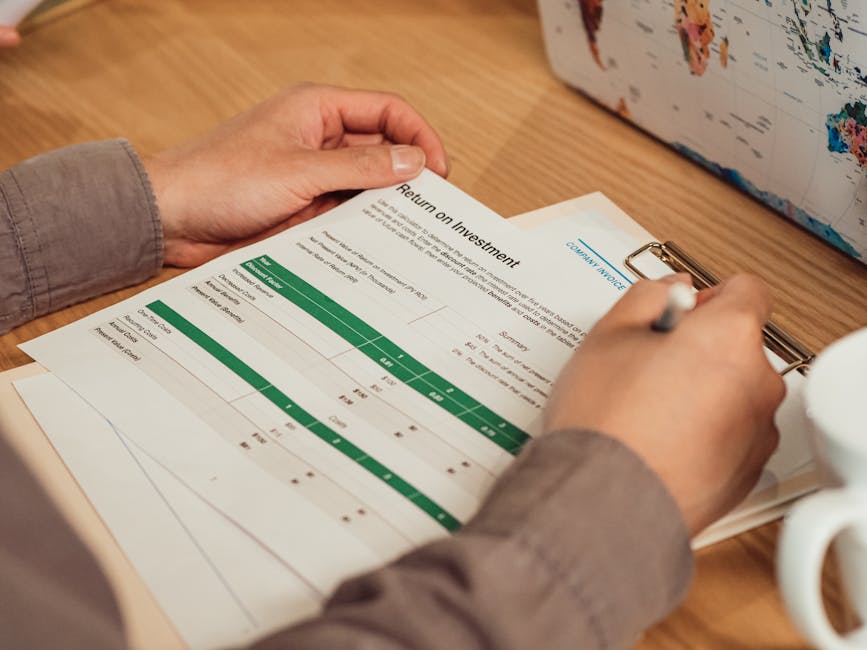
Photo by Kindel Media on Pexels
Ready to put these answers into practice? Browse live Financial Analyst openings on hireplan.online and find your next opportunity today. Our job board features top companies hiring for 2026 roles, with salary data and remote options.