Top 20 Occupational Therapist Interview Questions & Answers in 2026
The field of occupational therapy continues to evolve rapidly, and 2026 brings new challenges and expectations for candidates. Whether you’re a new graduate or an experienced OT, mastering these 20 questions will set you apart. Based on current industry trends—including telehealth expansion, mental health integration, and value-based care—these are the most common and toughest questions you’ll face.
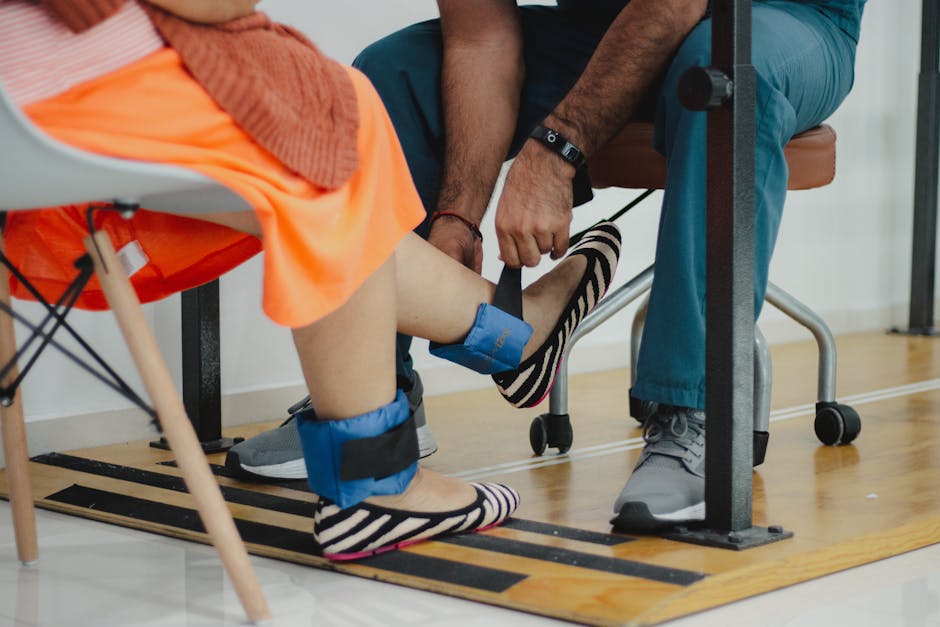
Photo by Juan Manuel Montejano Lopez on Pexels
## 1. “Why did you choose occupational therapy as a career?”
Why the interviewer asks this: They want to understand your genuine motivation and ensure you have a passion for the field, not just a job.
Sample answer: “I chose occupational therapy because I believe in empowering people to live their fullest lives. During my undergraduate studies, I volunteered at a rehab center and saw how an OT helped a stroke survivor regain the ability to cook for her family. That moment showed me OT is about restoring dignity and independence, not just function.”
What to avoid: Generic answers like “I like helping people” or “It seemed like a stable career.” Be specific and personal.
## 2. “How do you stay current with evidence-based practice?”
Why the interviewer asks this: OT is a science-driven field. Employers want lifelong learners who adapt to new research.
Sample answer: “I subscribe to the American Journal of Occupational Therapy and attend at least two webinars per month. I also participate in a local OT journal club where we discuss recent studies and how to apply them. For example, I recently implemented a new sensory integration protocol based on 2025 research.”
What to avoid: Saying you just rely on what you learned in school or that you don’t have time.
## 3. “Describe a time you had a difficult patient. How did you handle it?”
Why the interviewer asks this: This behavioral question tests your problem-solving, empathy, and patience.
Sample answer: “I had a patient with chronic pain who was resistant to all interventions. Instead of pushing harder, I sat down and asked about her goals—not mine. She wanted to garden again. I created a graded activity program starting with small potted plants. Within weeks, she was motivated and compliant. I learned that finding the ‘why’ behind resistance is key.”
What to avoid: Blaming the patient or using terms like “non-compliant” without context.
## 4. “How do you handle a heavy caseload?”
Why the interviewer asks this: OT roles can be demanding. They want to see time management and prioritization skills.
Sample answer: “I use a prioritization matrix based on clinical urgency and patient goals. I batch documentation at the end of each day and delegate appropriate tasks to COTAs. I also communicate with my supervisor if I need to adjust schedules to maintain quality care.”
What to avoid: Saying you just work faster or that you never feel overwhelmed.
[IMAGE_PROMPT: occupational therapist organizing treatment schedule on digital tablet]
## 5. “What is your experience with telehealth OT?”
Why the interviewer asks this: Telehealth is now a standard modality in 2026. They need to know you’re comfortable with it.
Sample answer: “I’ve conducted over 200 telehealth sessions since 2024. I’m proficient with platforms like Doxy.me and Zoom for Healthcare. I’ve learned to adapt my assessments, like using household items for fine motor tasks. I also train caregivers to be my ‘hands’ during sessions.”
What to avoid: Dismissing telehealth as less effective than in-person care.
## 6. “How would you handle a patient who isn’t making progress?”
Why the interviewer asks this: They want to see your clinical reasoning and adaptability.
Sample answer: “First, I’d reassess the patient’s goals—are they realistic? Then I’d review their motivation, environmental factors, and my own interventions. Sometimes it’s about changing the approach, like switching from fine motor to functional tasks. If needed, I’d consult with the interdisciplinary team.”
What to avoid: Blaming the patient or giving up too easily.
## 7. “Explain how you would assess a patient with dementia.”
Why the interviewer asks this: This technical question tests your knowledge of cognitive assessments.
Sample answer: “I’d start with the Allen Cognitive Level Screen (ACLS) to determine their ability to follow directions. Then I’d use the MOCA for baseline cognition. I’d also assess their environment for safety and use a functional task analysis for daily activities like dressing or meal prep.”
What to avoid: Giving a vague answer without mentioning specific assessments.
## 8. “Tell me about a time you worked with an interdisciplinary team.”
Why the interviewer asks this: OT rarely works in isolation. They want collaboration skills.
Sample answer: “In my last role, I worked with PTs, SLPs, and nurses on a stroke unit. We had weekly team huddles to align goals. For one patient, I coordinated with the SLP on safe swallowing during meal prep tasks and with PT on transfer training. The patient discharged two days early because of our coordination.”
What to avoid: Saying you prefer to work alone or that other disciplines don’t understand OT.
## 9. “How do you handle ethical dilemmas in your practice?”
Why the interviewer asks this: Ethics are central to OT. They want sound judgment.
Sample answer: “I follow the AOTA Code of Ethics and use a decision-making framework. For example, when a family wanted to push a patient beyond safe limits, I explained the risks and documented everything. I consulted my supervisor and the ethics committee to find a compromise that respected the patient’s autonomy and safety.”
What to avoid: Saying you’ve never had an ethical dilemma or making it sound simple.
[IMAGE_PROMPT: occupational therapist reviewing patient documentation with ethical guidelines visible]
## 10. “What is your experience with mental health OT?”
Why the interviewer asks this: Mental health is a growing specialty in 2026.
Sample answer: “I’ve worked with patients with anxiety and depression using cognitive-behavioral techniques within OT sessions. I use occupational profiling to identify meaningful activities that improve mood. For example, I helped a veteran with PTSD re-engage with woodworking as a coping strategy.”
What to avoid: Saying mental health is not “real OT” or that you only work with physical conditions.
## 11. “How do you write measurable goals?”
Why the interviewer asks this: Goals are the backbone of reimbursement and outcomes.
Sample answer: “I use the SMART framework: Specific, Measurable, Achievable, Relevant, Time-bound. For example: ‘Patient will don a button-down shirt independently within 10 minutes, using adaptive equipment, by week 4.’ I always tie goals to the patient’s stated priorities.”
What to avoid: Writing vague goals like “improve ADLs” or “get better.”
## 12. “Describe a time you made a mistake. How did you handle it?”
Why the interviewer asks this: They want humility and accountability.
Sample answer: “Early in my career, I misjudged a patient’s transfer ability and they nearly fell. I immediately reported it, documented the incident, and created a safety checklist for transfers. I also apologized to the patient and adjusted their plan. That experience made me a safer clinician.”
What to avoid: Blaming others or making it seem like a minor issue.
## 13. “What do you know about our facility’s patient population?”
Why the interviewer asks this: They want prepared candidates who researched the job.
Sample answer: “I know your facility specializes in pediatric feeding disorders and has a sensory integration clinic. I’ve read your recent case study on picky eaters published in OT Practice. My experience with the SOS Approach to Feeding aligns perfectly with your team’s approach.”
What to avoid: Giving a generic answer or not researching at all.
## 14. “How do you involve families in treatment?”
Why the interviewer asks this: Family involvement is critical for carryover.
Sample answer: “I start with a family education session about the diagnosis and goals. I provide home programs with pictures and videos. I also schedule regular check-ins and ask families to track progress. For example, for a child with autism, I taught the parents how to use visual schedules for morning routines.”
What to avoid: Saying families are difficult or that you prefer to work one-on-one.
[IMAGE_PROMPT: occupational therapist demonstrating exercises to family caregiver]
## 15. “What is your approach to discharge planning?”
Why the interviewer asks this: They want to see forward-thinking clinical reasoning.
Sample answer: “I start discharge planning on day one. I set realistic home programs from the start and involve caregivers early. I use the Canadian Occupational Performance Measure (COPM) to track progress. I also coordinate with home health agencies and provide a transition plan with emergency contacts.”
What to avoid: Waiting until the last week to plan discharge.
## 16. “How do you handle documentation and insurance requirements?”
Why the interviewer asks this: Reimbursement compliance is non-negotiable.
Sample answer: “I document daily progress notes within 24 hours and tie every note to the patient’s goals using functional language. I’m familiar with Medicare’s 8-minute rule and private payer requirements. I use templates to ensure I don’t miss key elements like medical necessity.”
What to avoid: Complaining about documentation or saying you rush through it.
## 17. “What is your experience with adaptive equipment?”
Why the interviewer asks this: Technical knowledge of equipment is essential.
Sample answer: “I’m skilled in recommending and training patients on bath benches, reachers, dressing sticks, and modified utensils. For a recent patient with arthritis, I custom-fit a built-up handle for their toothbrush. I also know how to order through Medicare and DME suppliers.”
What to avoid: Saying you just use what’s available without customization.
## 18. “How do you stay motivated when patients have slow progress?”
Why the interviewer asks this: They want resilience and perspective.
Sample answer: “I celebrate small wins—like a patient who could lift their arm an inch higher. I remind myself that OT is about the journey, not just the outcome. I also seek peer support and attend supervision to reframe challenges. Keeping a ‘success journal’ helps me stay positive.”
What to avoid: Saying you get frustrated or that slow progress isn’t rewarding.
## 19. “What is your experience with sensory integration therapy?”
Why the interviewer asks this: This is a specialized skill many facilities value.
Sample answer: “I’m trained in Ayres Sensory Integration® and have used it with children with autism and SPD. I create sensory diets that include swinging, brushing, and deep pressure. I also use the Sensory Profile 2 for assessment. I’ve seen remarkable improvements in attention and self-regulation.”
What to avoid: Overstating your experience if you’re not certified.
## 20. “Where do you see yourself in five years?”
Why the interviewer asks this: They want to know if you’ll grow with the organization.
Sample answer: “I see myself as a senior OT specializing in neurorehabilitation, possibly with a certification in LSVT BIG or NDT. I also want to mentor new graduates and contribute to program development. I’m committed to this facility’s mission of patient-centered care.”
What to avoid: Saying you want to leave clinical work entirely or that you’re unsure.
# Final Tips for Your OT Interview in 2026
- Bring a portfolio with sample treatment plans, continuing education certificates, and patient success stories (de-identified).
- Practice your answers aloud to sound natural, not rehearsed.
- Prepare questions about the facility’s caseload, documentation system, and professional development opportunities.
- Dress professionally but comfortably—you may be asked to tour the clinic.
- Follow up with a thank-you email within 24 hours, referencing a specific part of the conversation.
[IMAGE_PROMPT: occupational therapist shaking hands with interviewer in modern healthcare facility]
Ready to find your next OT role? Browse live Occupational Therapist openings on hireplan.online and apply with confidence using the strategies you’ve learned here.