How to Prepare for a Panel Interview: Step-by-Step Guide
A panel interview involves multiple interviewers (typically 3-5 people) questioning you simultaneously. Unlike one-on-one meetings, you must engage each panelist, balance eye contact, and address diverse concerns. To succeed, research the panelists beforehand, prepare stories that speak to different roles, and practice answering questions concisely. This guide provides a clear step-by-step plan to help you ace your next panel interview.

Photo by Edmond Dantès on Pexels
## Step 1: Research the Panelists
Before the interview, find out who will be on the panel. Ask the recruiter for names and titles. Then, look them up on LinkedIn or the company website.
### What to Look For:
- Job roles – Understand their responsibilities and how they relate to the position.
- Shared connections – Mutual contacts can provide insights.
- Recent achievements – Mentioning a project they led shows you’ve done your homework.
Action tip: Write a one-line note about each panelist. For example: *“Sarah leads the marketing team—focus on campaign results.”*
## Step 2: Tailor Your Answers to the Panel
Each panelist has a different priority. The hiring manager cares about cultural fit, while the team lead wants technical skills. Prepare stories that address multiple angles.
### Use the STAR Method:
- Situation – Set the context.
- Task – Describe your responsibility.
- Action – Explain what you did.
- Result – Highlight measurable outcomes.
Example: If a panelist asks about teamwork, share a story where you collaborated with cross-functional teams. Emphasize how you navigated different personalities.
## Step 3: Master Eye Contact and Body Language
With multiple interviewers, you can’t focus on one person. Distribute your attention evenly.
### How to Do It:
- Start with the questioner – Look at them for the first 10-15 seconds.
- Shift to others – Briefly glance at each panelist while speaking.
- End with the questioner – Return to them for the final point.
Pro tip: Sit up straight, keep hands visible, and avoid crossing arms. Nod slightly when others speak to show engagement.
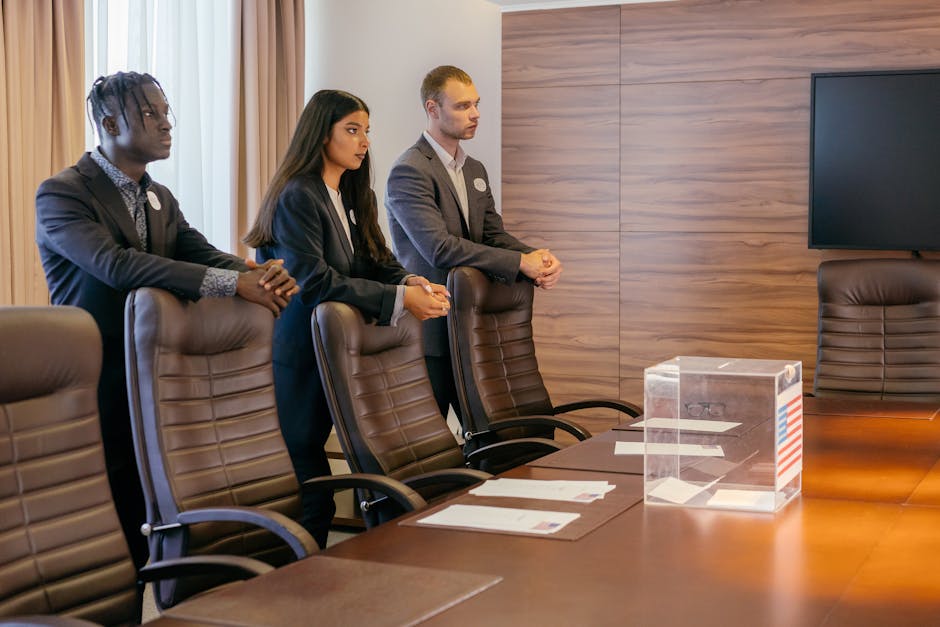
Photo by Mikhail Nilov on Pexels
## Step 4: Prepare for Common Panel Questions
Panel interviews often include behavioral, technical, and situational questions. Here’s a list of common ones:
| Question Type | Example | How to Answer |
|---|---|---|
| Behavioral | “Tell us about a time you failed.” | Use STAR, focus on lessons learned. |
| Technical | “How do you handle tight deadlines?” | Give a real example with metrics. |
| Situational | “What would you do if a team member disagreed?” | Show problem-solving and empathy. |
Numbered list of essential questions to practice:
1. “Why do you want this job?”
2. “Describe a conflict you resolved at work.”
3. “How do you prioritize tasks?”
4. “Where do you see yourself in 5 years?”
5. “What’s your biggest weakness?”
## Step 5: Manage Time and Responses
Panel interviews often have strict time limits. Keep answers between 60–90 seconds. If you ramble, you risk losing the panel’s attention.
### Quick Tips:
- Pause before answering – Collect your thoughts for 3 seconds.
- Use a structure – “I’ll give you a brief example… then explain the outcome.”
- Ask for clarification – If a question is vague, say, “Could you specify which aspect you’d like me to focus on?”
## Step 6: Prepare Your Own Questions
At the end, panelists ask if you have questions. This is your chance to show interest and gather information.
### Smart Questions to Ask:
- “How does this role collaborate with other departments?”
- “What does success look like in the first 90 days?”
- “Can you describe the team culture here?”
Avoid: Questions about salary, benefits, or vacation time in the first interview.
## Step 7: Follow Up After the Interview
Send a thank-you email within 24 hours. Address each panelist individually if possible.
### Template:
“`
Subject: Thank You – [Your Name] – [Job Title]
Dear [Panelist Name],
Thank you for the opportunity to discuss the [Job Title] role. I especially enjoyed learning about [specific topic you discussed]. I’m confident my skills in [key skill] can contribute to [company goal].
Please let me know if you need any more information.
Best regards,
[Your Name]
“`
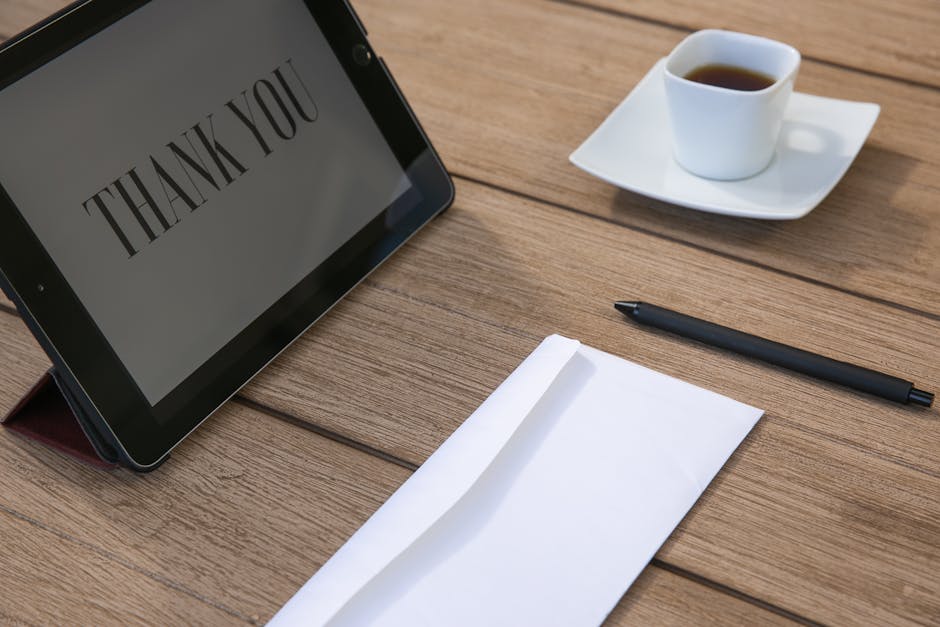
Photo by PNW Production on Pexels
## Comparison Table: Panel vs. One-on-One Interview
| Aspect | Panel Interview | One-on-One Interview |
|---|---|---|
| Number of interviewers | 3–5 | 1 |
| Eye contact | Must distribute evenly | Focus on one person |
| Question style | Diverse perspectives | Focused on one role |
| Time management | Tighter, more concise | More flexible |
| Follow-up | Send separate emails | One thank-you note |
## Common Mistakes to Avoid
- Ignoring a panelist – Even if they don’t ask questions, glance their way.
- Speaking too fast – Nerves can make you rush; practice slowing down.
- Giving generic answers – Use specific examples tied to the job.
- Forgetting names – Write them down before the interview and use them naturally.
## Final Checklist Before the Interview
Researched all panelists
Prepared 3–5 STAR stories
Practiced eye contact with a friend
Prepared 3 questions to ask
Checked internet and camera (if virtual)
Reviewed job description again
## Conclusion
Panel interviews can feel intimidating, but with the right preparation, you can stand out. Focus on researching the panelists, tailoring your answers, and managing your body language. Practice your stories until they feel natural. Remember, the panel wants to see how you handle pressure and collaborate with diverse stakeholders.
Ready to download more interview guides and job search resources? Visit hireplan.online for free templates, checklists, and expert tips to land your dream job. Start preparing today!