Top 20 Physical Therapist Interview Questions & Answers in 2026
Landing a Physical Therapist role in 2026 requires more than clinical expertise. Employers are seeking professionals who combine advanced rehabilitation techniques with strong communication skills and adaptability to evolving healthcare technologies. Based on current industry trends—including the rise of telehealth, value-based care, and patient-centered outcomes—we’ve compiled the 20 most common and toughest interview questions you’ll face this year.
Whether you’re a new graduate or an experienced PT, these sample answers will help you prepare confidently and stand out from the competition.
[IMAGE_PROMPT: Physical therapist consulting with patient in modern rehabilitation clinic]
## 1. Why did you choose physical therapy as a career?
Why the interviewer asks this: They want to gauge your genuine passion for the field and understand your motivation beyond salary or job stability.
Sample answer: “I chose physical therapy because I’m passionate about restoring function and improving quality of life. During my undergraduate studies, I volunteered at a rehab center and saw how a PT helped a stroke survivor regain the ability to walk. That moment solidified my desire to combine clinical science with compassionate care.”
What to avoid saying: Avoid answers that focus only on job security or personal benefits. Don’t say “I didn’t know what else to do.”
## 2. How do you stay current with evidence-based practice in 2026?
Why the interviewer asks this: Healthcare evolves rapidly; they need a PT who prioritizes lifelong learning and applies the latest research.
Sample answer: “I subscribe to APTA’s journal and attend at least two conferences annually. I also use clinical decision-making tools like Physiopedia and participate in online webinars on topics like dry needling and blood flow restriction training. I apply new evidence by discussing it with my team during case reviews.”
What to avoid saying: Avoid vague answers like “I read articles sometimes.” Don’t claim to know everything without showing specific resources.
## 3. Describe a challenging patient case you managed successfully.
Why the interviewer asks this: This is a behavioral question testing your problem-solving, adaptability, and clinical reasoning.
Sample answer: “I treated a 65-year-old with chronic low back pain and multiple comorbidities including diabetes and obesity. Standard protocols weren’t working. I collaborated with a dietitian and pain psychologist, adjusted exercises for functional mobility, and used motivational interviewing to improve adherence. After 12 weeks, the patient reported a 60% reduction in pain and returned to gardening.”
What to avoid saying: Avoid blaming the patient or focusing only on your technical skills without mentioning teamwork.
[IMAGE_PROMPT: Physical therapist working with elderly patient on balance exercises]
## 4. How do you handle patients who are non-compliant with home exercise programs?
Why the interviewer asks this: Compliance is a major challenge; they want to see your communication skills and ability to build trust.
Sample answer: “I first explore barriers—time constraints, pain, or lack of understanding. I then simplify the program to 3-4 key exercises and use video demonstrations they can access on their phone. For one patient, I found they preferred morning sessions, so we adjusted the schedule. Small adjustments often lead to big improvements in compliance.”
What to avoid saying: Avoid sounding frustrated or blaming the patient. Don’t say “I just document non-compliance.”
## 5. What experience do you have with telehealth physical therapy?
Why the interviewer asks this: Telehealth is now a standard care delivery model; they need someone comfortable with virtual assessments and remote monitoring.
Sample answer: “During my last role, I conducted 30% of my sessions via telehealth. I became skilled at verbal cueing for posture correction and used wearable devices to track patient progress. I also developed home exercise videos tailored to each patient’s environment, ensuring safety without direct hands-on guidance.”
What to avoid saying: Avoid dismissing telehealth as less effective. Don’t say you have no experience—even basic exposure is better.
## 6. How do you prioritize patients when caseloads are high?
Why the interviewer asks this: This tests your time management and clinical judgment under pressure.
Sample answer: “I use a priority matrix based on acuity, functional limitations, and discharge timelines. For example, post-operative patients needing fall prevention get earlier slots. I also delegate tasks like equipment setup to aides and communicate with the front desk to stagger appointments. Clear communication prevents burnout and ensures quality care.”
What to avoid saying: Avoid saying you treat everyone equally—this shows poor judgment. Don’t complain about workload.
## 7. How do you measure patient progress beyond standard outcome tools?
Why the interviewer asks this: They want to see patient-centered care and ability to use functional outcomes.
Sample answer: “I use Patient-Specific Functional Scales where patients rate their ability to perform tasks they value—like climbing stairs or carrying groceries. I also track gait speed, timed up-and-go tests, and quality-of-life questionnaires. Combining objective measures with patient-reported outcomes gives a complete picture.”
What to avoid saying: Avoid relying only on range of motion or strength tests. Don’t ignore patient feedback.
[IMAGE_PROMPT: Physical therapist using goniometer to measure joint range of motion]
## 8. Describe a time you had to work with a difficult colleague or physician.
Why the interviewer asks this: This tests interpersonal skills and professionalism in a team environment.
Sample answer: “I had a physician who frequently disagreed with my treatment plan for shoulder impingement. Instead of arguing, I scheduled a brief meeting, presented evidence from recent studies, and asked for their perspective. We agreed on a modified protocol that incorporated their surgical concerns. The patient had excellent outcomes, and we now collaborate regularly.”
What to avoid saying: Avoid speaking negatively about the colleague. Don’t say you avoided the conflict.
## 9. How do you handle a patient who is in significant pain during treatment?
Why the interviewer asks this: This assesses your pain management skills and emotional intelligence.
Sample answer: “I first validate their pain and adjust the session—using gentler manual therapy, ice, or positioning changes. I explain the pain neuroscience to reduce fear, and we set achievable goals like 5 minutes of activity. If pain persists, I consult with the referring physician about medication adjustments or imaging.”
What to avoid saying: Avoid pushing through pain or dismissing their experience. Don’t say “pain is normal.”
## 10. What is your approach to discharge planning?
Why the interviewer asks this: They want to see forward-thinking and patient education skills.
Sample answer: “I start discharge planning from the first session. I set clear goals, teach self-management strategies, and provide a written home program with progression guidelines. I also coordinate with home health or outpatient follow-up as needed. The goal is independence—not just discharge.”
What to avoid saying: Avoid waiting until the last session to plan. Don’t focus only on insurance coverage.
## 11. How do you adapt treatment for patients with cognitive impairments?
Why the interviewer asks this: This tests your ability to work with diverse populations, including elderly or neurologically impaired patients.
Sample answer: “I use simple, repetitive instructions and visual cues like pictures or videos. For a patient with dementia, I broke exercises into one-step commands and used rhythmic music to improve engagement. I also involve caregivers in training to ensure consistency at home.”
What to avoid saying: Avoid saying you treat everyone the same. Don’t show frustration with cognitive challenges.
## 12. What do you know about value-based care in physical therapy?
Why the interviewer asks this: Healthcare reimbursement is shifting; they need PTs who understand quality over quantity.
Sample answer: “Value-based care focuses on patient outcomes rather than visit volume. I track functional improvement rates, patient satisfaction scores, and rehospitalization rates. In my last clinic, we implemented group exercise classes for similar diagnoses, which improved outcomes while reducing per-patient costs.”
What to avoid saying: Avoid admitting you don’t know what it is. Don’t focus only on billing.
[IMAGE_PROMPT: Physical therapist using tablet to document patient progress in clinic]
## 13. How do you handle a patient who wants to return to activity too quickly?
Why the interviewer asks this: This tests your patient education and risk management skills.
Sample answer: “I explain the healing process using analogies—like a broken bone needing time to heal. I set progressive milestones and use objective measures like strength tests to show readiness. If they push, I offer modified activities that satisfy their desire to move without risking reinjury.”
What to avoid saying: Avoid being authoritarian or dismissive. Don’t say “just follow my instructions.”
## 14. Describe your experience with manual therapy techniques.
Why the interviewer asks this: They want to assess your hands-on skills and continuing education.
Sample answer: “I’m certified in Mulligan techniques, myofascial release, and joint mobilization. I use manual therapy for acute pain relief and to improve range of motion before exercise. I always combine it with active exercises for lasting results.”
What to avoid saying: Avoid claiming expertise you don’t have. Don’t say manual therapy is all you do.
## 15. How do you handle ethical dilemmas, such as insurance limitations affecting care?
Why the interviewer asks this: This tests your integrity and advocacy for patients.
Sample answer: “I document medical necessity thoroughly and appeal denials when appropriate. I also educate patients on community resources or lower-cost options. For example, I once arranged for a patient to borrow equipment from a nonprofit when insurance wouldn’t cover a walker.”
What to avoid saying: Avoid saying you just follow insurance rules blindly. Don’t admit to billing fraud.
## 16. What is your experience with post-surgical rehabilitation?
Why the interviewer asks this: This is a common role-specific question for outpatient PT.
Sample answer: “I have extensive experience with total knee and hip replacements, rotator cuff repairs, and ACL reconstructions. I follow protocol-based care but individualize based on patient response. I emphasize early mobilization within safe parameters and educate patients on precautions.”
What to avoid saying: Avoid being too rigid with protocols. Don’t ignore patient variability.
## 17. How do you incorporate technology into your practice?
Why the interviewer asks this: They want to know if you’re tech-savvy and open to innovation.
Sample answer: “I use EMR systems for efficient documentation and outcome tracking software like Net Health. I also recommend wearable activity trackers for patients and use video analysis for gait assessment. In 2026, I’m exploring AI-based exercise prescription tools to personalize programs.”
What to avoid saying: Avoid saying you prefer paper charts. Don’t dismiss technology as unnecessary.
## 18. Describe a time you made a clinical error. How did you handle it?
Why the interviewer asks this: This tests accountability and learning from mistakes.
Sample answer: “I once misjudged a patient’s weight-bearing status after a hip fracture, causing increased pain. I immediately stopped, apologized, and consulted the surgeon. I adjusted the plan and documented the incident. I now double-check surgical notes and use red flags in my assessment.”
What to avoid saying: Avoid blaming others or minimizing the error. Don’t say you’ve never made a mistake.
## 19. How do you stay motivated when you see slow progress in patients?
Why the interviewer asks this: They want to see resilience and patient-centered focus.
Sample answer: “I celebrate small wins—like a 5-degree improvement in range of motion or being able to tie shoes independently. I also remind myself that progress isn’t linear. I seek feedback from colleagues and adjust my approach. Seeing a patient smile after months of work fuels my motivation.”
What to avoid saying: Avoid saying you get frustrated easily. Don’t focus only on quick results.
## 20. Where do you see yourself in five years as a physical therapist?
Why the interviewer asks this: They want to assess career goals and long-term fit.
Sample answer: “In five years, I see myself as a senior PT specializing in orthopedics while mentoring new graduates. I plan to pursue OCS certification and possibly transition into clinical education or research. I’m committed to this clinic if there’s growth opportunity.”
What to avoid saying: Avoid saying you’ll leave for another field. Don’t be vague about goals.
## Final Tips for Your Physical Therapist Interview in 2026
- Research the clinic’s patient population and treatment philosophy before the interview.
- Practice behavioral answers using the STAR method (Situation, Task, Action, Result).
- Bring examples of outcome data or success stories from your previous roles.
- Ask thoughtful questions about mentorship, technology adoption, and team dynamics.
- Dress professionally but comfortably—you might be asked to demonstrate a technique.
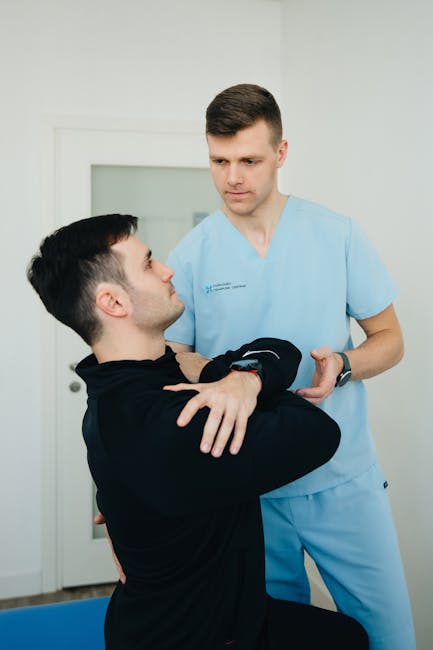
Photo by Funkcinės Terapijos Centras on Pexels
Ready to take the next step? Browse live Physical Therapist openings on hireplan.online and find your perfect role today.