Top 20 Technical Writer Interview Questions & Answers in 2026
Landing a Technical Writer role in 2026 requires more than just a strong portfolio and impeccable grammar. As technology evolves, so do the expectations for technical communicators. Companies now seek writers who can bridge the gap between complex systems and end-users, often working with AI tools, APIs, and agile development teams.
This guide covers the 20 most common and toughest interview questions for Technical Writers in 2026. Based on current industry trends—including the rise of AI-assisted documentation, API-first products, and remote collaboration—these questions will test your technical skills, writing process, and adaptability. Use these sample answers to prepare, but always tailor them to your own experience.
## 1. “Can you walk us through your documentation process from start to finish?”
Why the interviewer asks this: They want to see if you have a structured, repeatable workflow. Technical writing isn’t just about writing; it’s about research, planning, reviewing, and iterating.
Sample answer: “I start by identifying the target audience and their primary goals. Then, I work with subject matter experts (SMEs) and developers to gather source material. I create an outline and draft in a collaborative tool like Confluence or Git-based docs. After a peer review and technical review, I incorporate feedback, test the instructions myself, and publish. Finally, I monitor analytics or user feedback for continuous improvement.”
What to avoid saying: “I just write what the developers tell me.” This shows a lack of ownership and process.
## 2. “How do you handle incomplete or conflicting information from subject matter experts?”
Why the interviewer asks this: SMEs are often busy or disagree on details. Interviewers want to know you can resolve ambiguity professionally.
Sample answer: “I first document the conflicting points and try to reconcile them by testing the feature myself or reviewing existing code. If I still have questions, I schedule a brief sync with both SMEs to clarify. I always frame it as ‘Help me understand the best way to explain this for the user’ to keep the focus on the customer.”
What to avoid saying: “I just pick the answer I like best.” This is unprofessional and risks publishing incorrect information.
## 3. “What tools do you use for technical writing, and which do you prefer?”
Why the interviewer asks this: They need to know you can hit the ground running with their tech stack. In 2026, tools like Paligo, MadCap Flare, and Markdown-based systems are common.
Sample answer: “I’m proficient in MadCap Flare and Confluence, but I prefer Git-based workflows using Markdown and a static site generator like Docusaurus. This setup integrates well with developer workflows and enables version control. I’m also experienced with Snagit for screenshots and Jira for tracking documentation requests.”
What to avoid saying: “I only use Microsoft Word.” While acceptable for some roles, it signals a lack of modern tooling experience.
## 4. “How do you ensure your documentation is accessible to non-native English speakers?”
Why the interviewer asks this: Global products require inclusive documentation. This question tests your awareness of plain language and localization.
Sample answer: “I write in plain English, avoiding jargon and idioms. I use short sentences and active voice. I also follow the Microsoft Style Guide for consistency. When possible, I include screenshots or diagrams to reduce text dependency. I’m also comfortable working with translation tools and reviewing localized versions for clarity.”
What to avoid saying: “I just write normally, and the translation team handles the rest.” This ignores your responsibility to write for translatability.
## 5. “Describe a time when you had to simplify a very complex technical concept.”
Why the interviewer asks this: This is a behavioral question testing your ability to translate complexity for a non-technical audience.
Sample answer: “At my last job, I had to document a multi-step API authentication flow. I created a high-level flowchart first, then wrote step-by-step instructions with code snippets. I also included a troubleshooting section for common errors. The result reduced support tickets related to authentication by 30%.”
What to avoid saying: “I just copied the developer’s explanation.” That defeats the purpose of a technical writer.
## 6. “How do you stay updated with industry trends and new technologies?”
Why the interviewer asks you: Technical writing evolves quickly. In 2026, AI-assisted writing, API documentation, and video tutorials are hot topics.
Sample answer: “I subscribe to Write the Docs and follow blogs like I’d Rather Be Writing by Tom Johnson. I also take online courses on platforms like Coursera or Udemy for emerging tools. I’m currently learning about AI-powered documentation generators to see how they can assist, not replace, human writers.”
What to avoid saying: “I don’t really follow trends; I just do my job.” This signals stagnation.
## 7. “How do you handle feedback or criticism on your writing?”
Why the interviewer asks this: Documentation is rarely a solo effort. They want to see humility and collaboration.
Sample answer: “I see feedback as an opportunity to improve. I listen carefully, ask clarifying questions if needed, and thank the reviewer. I then incorporate the feedback and often ask if the revision meets their expectations. This builds trust and produces better docs.”
What to avoid saying: “I get defensive, but I usually change it anyway.” Honesty is good, but defensiveness is a red flag.
## 8. “Explain the difference between a ‘Getting Started’ guide and a ‘Reference Manual.'”
Why the interviewer asks you: This tests your understanding of information architecture and audience needs.
Sample answer: “A Getting Started guide is task-oriented and designed for new users to achieve a quick win—like setting up an account. It’s short and assumes minimal knowledge. A Reference Manual is comprehensive and organized by feature or command. It’s for experienced users who need detailed specifications.”
What to avoid saying: “They’re basically the same thing.” This shows a lack of strategic thinking.
## 9. “How do you prioritize which documentation to write when you have multiple requests?”
Why the interviewer asks you: Time management is critical. They want to see you can balance user impact with business needs.
Sample answer: “I evaluate requests based on user impact, release deadlines, and SME availability. I use a simple matrix: high-impact, high-urgency items come first. I also communicate with stakeholders about timelines. If something is low priority, I’ll suggest a quick workaround like a FAQ entry.”
What to avoid saying: “I just do whatever my manager tells me first.” That’s reactive, not proactive.
## 10. “Have you ever worked with API documentation? If so, describe your approach.”
Why the interviewer asks you: API docs are a growing niche. In 2026, many technical writers need basic coding literacy.
Sample answer: “Yes, I’ve documented RESTful APIs using OpenAPI/Swagger specifications. I start by understanding the endpoints, parameters, and sample responses. I write clear descriptions for each endpoint, include code examples in multiple languages (like cURL, Python, and JavaScript), and test the calls myself to ensure accuracy.”
What to avoid saying: “No, but I’m willing to learn.” That’s fine for junior roles, but for mid-level roles, experience is expected.
## 11. “How do you test your documentation to ensure it’s accurate?”
Why the interviewer asks you: Accuracy is non-negotiable. They want to know you validate your work.
Sample answer: “I follow my own instructions step-by-step in a test environment. If the doc is for a UI, I click every button. For code, I run every command. I also ask a colleague or a junior developer to do a brown bag test—follow the doc without prior knowledge to spot gaps.”
What to avoid saying: “I assume it’s correct if the SME approved it.” SMEs can miss user-facing issues.
## 12. “Tell me about a time you had to meet a tight deadline for documentation.”
Why the interviewer asks you: This tests grace under pressure and prioritization skills.
Sample answer: “During a product launch, I had two weeks to write a 50-page user manual. I focused on the most critical features first and used templates to speed up formatting. I also asked a colleague to review the high-risk sections while I finished the rest. We shipped on time, and the docs had only minor edits post-launch.”
What to avoid saying: “I worked 80-hour weeks.” That’s not sustainable and suggests poor planning.
## 13. “What style guides do you follow?”
Why the interviewer asks you: Consistency is key. They want to see you have a foundation in writing standards.
Sample answer: “I primarily follow the Microsoft Style Guide for general technical writing. For developer docs, I also reference the Google Developer Documentation Style Guide. I’m comfortable adapting to a company’s existing style guide or creating one if needed.”
What to avoid saying: “I don’t use style guides; I just write clearly.” That’s risky for team consistency.
## 14. “How do you approach writing for both beginners and advanced users in the same document?”
Why the interviewer asks you: This tests layered information design.
Sample answer: “I use a modular structure. The main body covers the basics with clear steps. I add advanced tips in callout boxes or separate sections. I also include a ‘Prerequisites’ section at the top so beginners know what they need, and advanced users can skip ahead.”
What to avoid saying: “I write for the average user.” That often alienates both extremes.
## 15. “Describe your experience with video or multimedia documentation.”
Why the interviewer asks you: In 2026, video tutorials and interactive docs are increasingly popular.
Sample answer: “I’ve created screen capture videos using Camtasia for software walkthroughs. I write a script first, record in short segments, and add captions for accessibility. I’ve also worked with developers to embed interactive code playgrounds in online docs.”
What to avoid saying: “I only write text.” That limits your value in modern teams.
## 16. “How do you handle documentation for a product that’s still in development?”
Why the interviewer asks you: Agile environments require writing alongside development, not after.
Sample answer: “I work sprint by sprint. I attend daily stand-ups to learn about new features early. I write draft docs based on acceptance criteria and update them as the feature evolves. This way, the documentation is almost ready when the code is complete.”
What to avoid saying: “I wait until the product is stable.” That causes delays and rushed work.
## 17. “What metrics do you use to measure the success of your documentation?”
Why the interviewer asks you: Data-driven writers are more valuable. They want to see you track impact.
Sample answer: “I track page views, search terms, and time on page using analytics tools. I also monitor support ticket trends—a drop in tickets about a feature often means the docs are effective. I occasionally send out user surveys for qualitative feedback.”
What to avoid saying: “I don’t measure success; I just write.” That’s outdated thinking.
## 18. “How do you collaborate with developers who don’t see the value in documentation?”
Why the interviewer asks you: This tests stakeholder management and persuasion skills.
Sample answer: “I empathize with their workload and show them how good docs reduce interruptions from support. I invite them to review short, focused sections rather than the whole doc. I also share positive feedback from users to build buy-in.”
What to avoid saying: “I complain to my manager.” That doesn’t solve the relationship issue.
## 19. “What’s your experience with single-sourcing or content reuse?”
Why the interviewer asks you: Efficiency matters. Single-sourcing saves time and ensures consistency.
Sample answer: “I’ve used conditions and variables in MadCap Flare to output different versions from one source. For example, the same installation step could appear in a Windows and Mac guide with different screenshots. This reduces maintenance and prevents errors.”
What to avoid saying: “I copy and paste between documents.” That’s error-prone and inefficient.
## 20. “Where do you see the future of technical writing in the next 5 years?”
Why the interviewer asks you: They want to see strategic thinking and passion for the field.
Sample answer: “I believe technical writing will become more integrated with product design. AI will handle first drafts and translations, but humans will focus on strategy, user testing, and empathy-driven content. I’m excited about conversational UI docs and interactive tutorials.”
What to avoid saying: “I think AI will replace us.” That’s pessimistic and shows a lack of adaptability.
## Final Tips for Your Technical Writer Interview in 2026
- Prepare a portfolio with 3-5 diverse samples (e.g., a getting started guide, an API doc, and a troubleshooting article).
- Research the company’s products before the interview. Test a feature and note any documentation gaps.
- Practice explaining your process out loud. Confidence in your workflow shows expertise.
- Ask smart questions about their documentation tools, review process, and team structure.
## Ready to Land Your Next Role?
Now that you’re armed with these answers, it’s time to put them to use. Companies are actively hiring Technical Writers who can adapt to new tools and communicate complex ideas clearly.
Browse live Technical Writer openings on hireplan.online and find the perfect role for your skills in 2026.
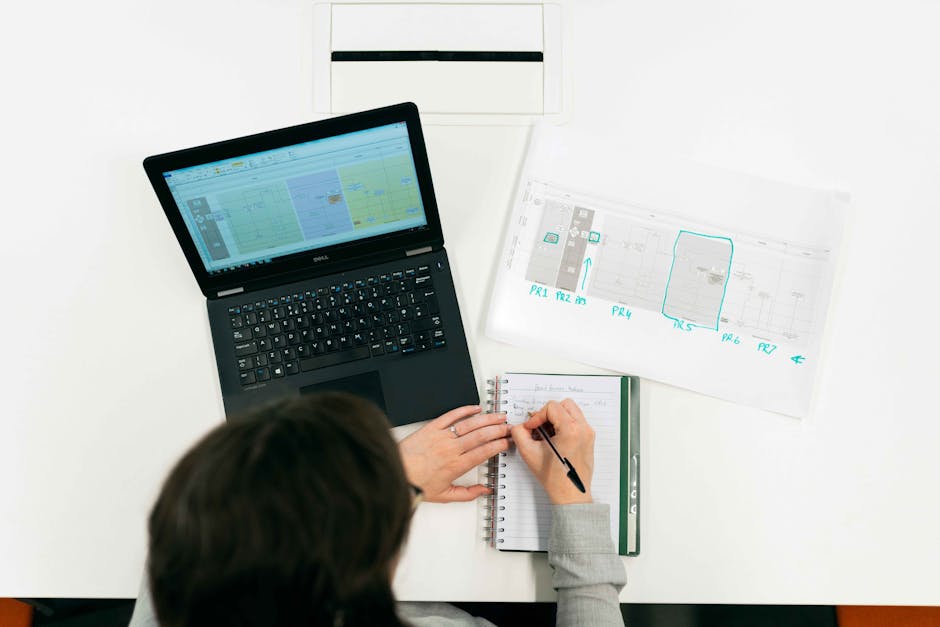
Photo by ThisIsEngineering on Pexels
[IMAGE_PROMPT: Team of technical writers collaborating on a whiteboard with flowcharts]
[IMAGE_PROMPT: Close-up of a user manual with screenshots and annotations]
[IMAGE_PROMPT: Technical writer presenting a documentation plan to a development team]